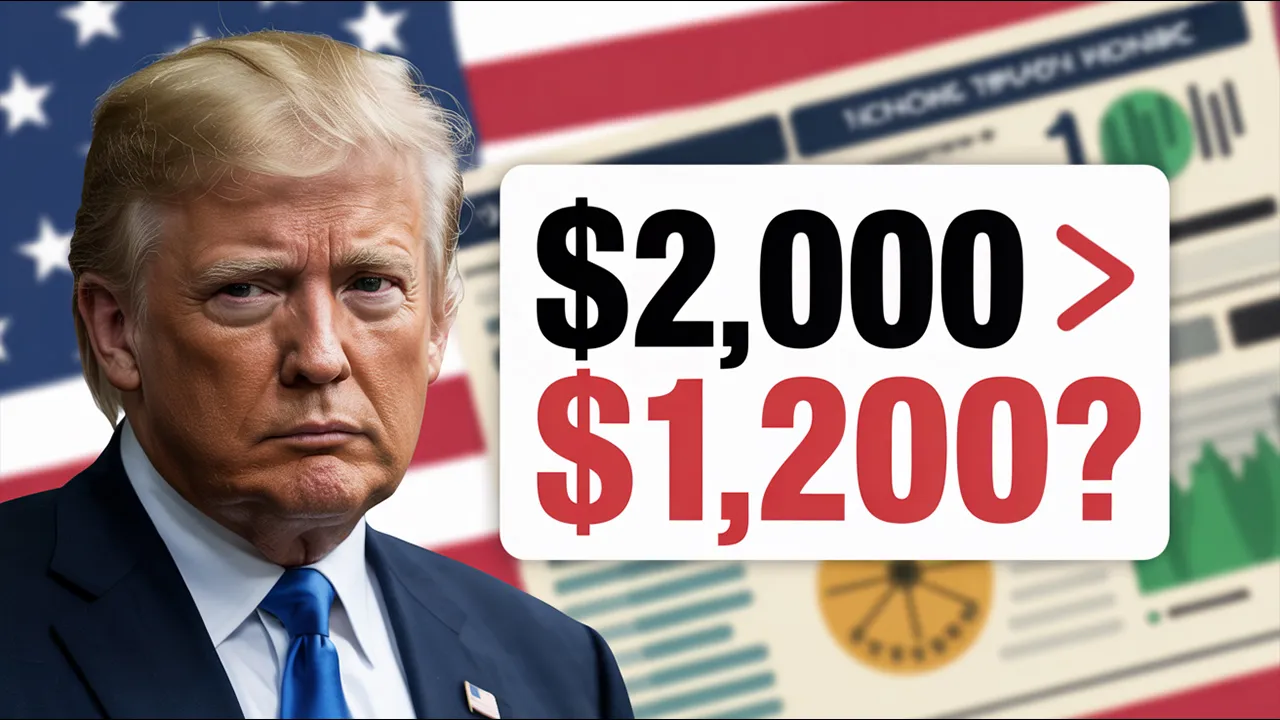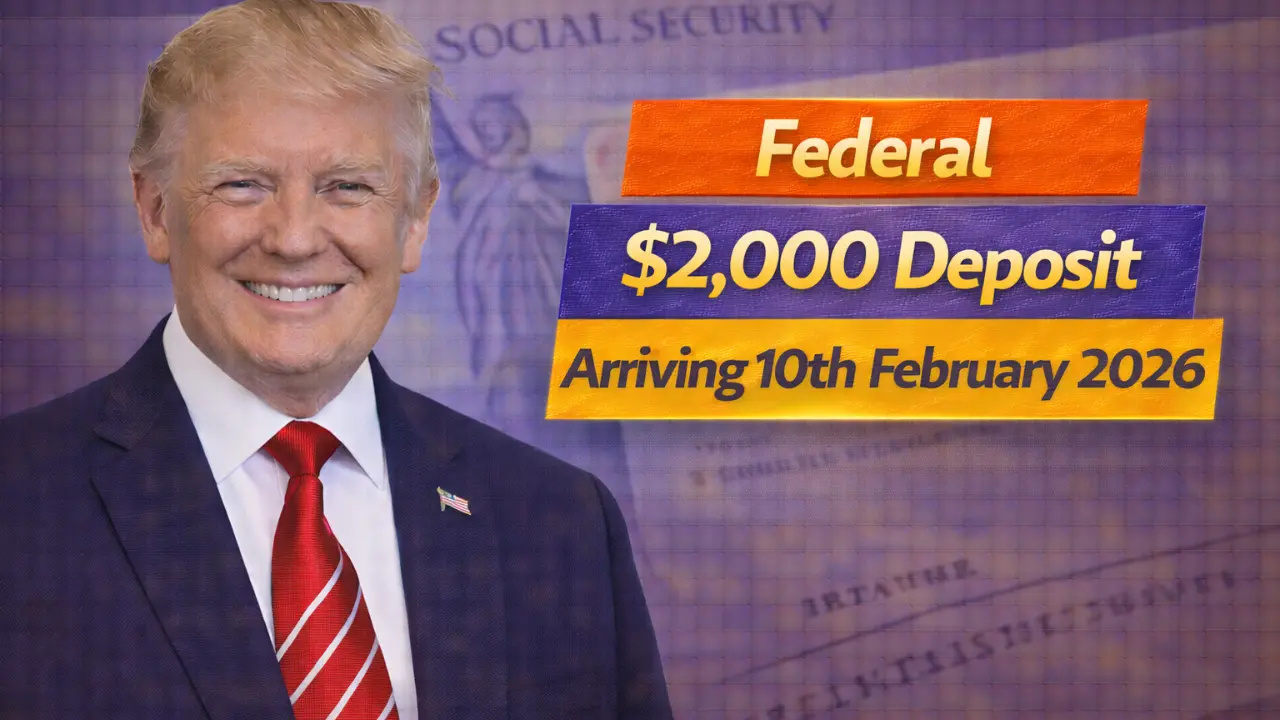
In early 2026, public discussion has increased around a proposed $2000 federal direct deposit that could provide a one-time cash payment to eligible people in the United States. Many online posts describe this as “$2000 for everyone,” but the reality is more complex. As of February 2026, this payment has not been approved and is still under discussion at the federal level.
The proposal reflects ongoing concerns about rising living costs, inflation, and financial pressure on households. For many families, a one-time payment could help with rent, groceries, utilities, medical expenses, or overdue bills. Because of this, the idea has gained attention and emotional support, especially among low-income households, seniors, and people with disabilities.
Is the $2000 Payment Official or Guaranteed?
At this time, the $2000 federal direct deposit is not guaranteed. It is a proposal connected to possible legislation and budget negotiations in Washington. No law has been passed to authorize the payment, and no federal agency has confirmed a release date. Claims that the payment is automatic or already scheduled should be treated with caution.

Any such payment would require approval from Congress and authorization by the president. After that, federal agencies such as the Treasury Department and the Internal Revenue Service would be responsible for issuing the money. Until this process is completed, the payment remains uncertain.
Who Could Qualify If It Is Approved
If the proposal becomes law, eligibility would depend on the final version of the legislation. Some versions suggest a broad payment covering most residents, while others include income limits similar to earlier stimulus programs. Seniors receiving Social Security, people on SSI or SSDI, and low-income households are generally included in current drafts, but nothing is final yet.
People who are homeless or without bank accounts could still qualify if approved, though payment delivery may take longer. Past programs have used mailed checks or prepaid debit cards when direct deposit was not available.

How Payments Would Likely Be Sent
If authorized, direct deposit would likely be the fastest method. The government would use bank details already on file with the IRS or Social Security Administration. Those without banking information on record could receive a paper check or debit card, which usually takes more time.
Most proposals state that the payment would not be taxable and would not reduce existing benefits like Social Security or SSI. However, this would need to be clearly written into the final law.
Staying Informed and Avoiding Misinformation
Many people are hopeful, frustrated, or skeptical based on past experiences with stimulus payments. While optimism is understandable, it is important to rely only on official federal announcements. Government agencies do not ask for personal information through unsolicited calls, texts, or social media messages.
यह भी पढ़े:
 Federal Deposit Rules Update for 2026 — Why $2,000 Can Become $1,200 to $1,400 After Review
Disclaimer
This article is for informational purposes only and does not provide legal, financial, or tax advice. The $2000 federal direct deposit discussed here is a proposal and has not been approved as of February 2026. Laws, eligibility rules, and payment timelines may change. Readers should follow official government sources or consult qualified professionals for accurate and up-to-date information.