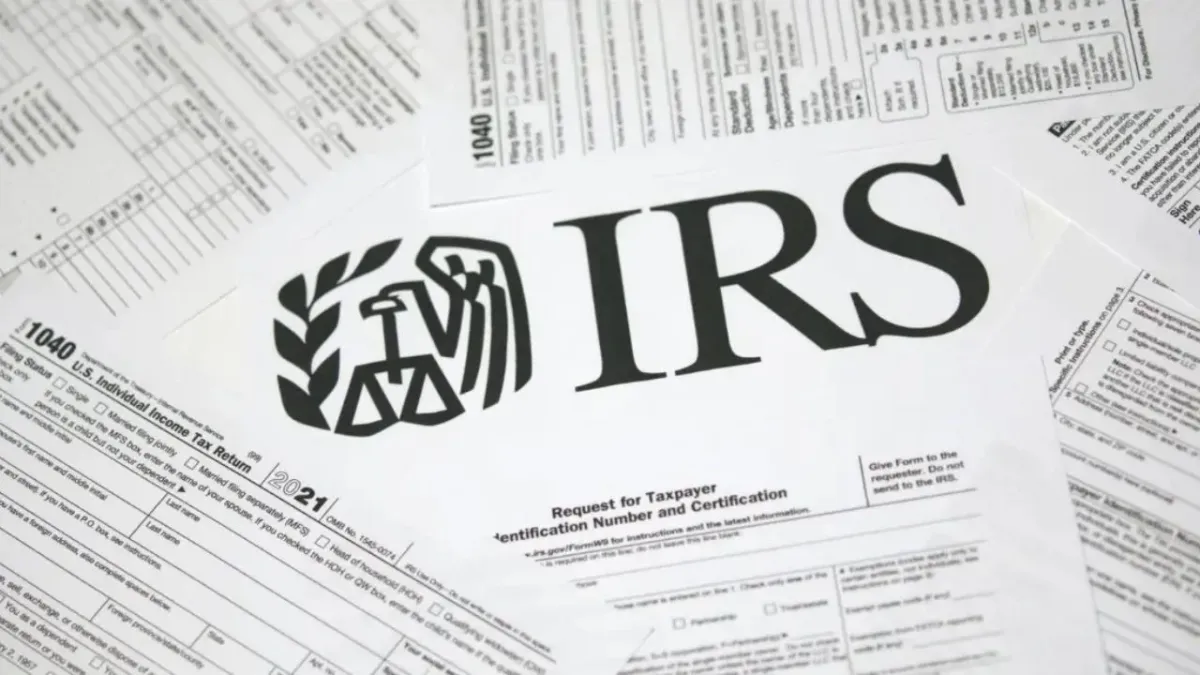
The Internal Revenue Service has confirmed that the 2026 tax filing season will follow a stricter and more clearly structured calendar. While this may sound like a routine administrative update, it has real effects on everyday finances. The new schedule directly impacts when refunds arrive, how delays are handled, and how much risk taxpayers face if they file late or make mistakes. In 2026, timing is no longer a minor detail but a key part of financial planning.
Refund Timing Is Now More Important
For many households, a tax refund is not bonus money. It is money already planned into the household budget. Refunds are often used to cover rent gaps, pay off credit card balances, fix vehicles, or manage upcoming seasonal expenses. With the 2026 tax season, the IRS has emphasized that refund timing depends heavily on when and how a return is filed. Filing early can mean faster access to funds, while delays can push refunds far into the year.
यह भी पढ़े:
 Federal Deposit Rules Update for 2026 — Why $2,000 Can Become $1,200 to $1,400 After Review
Key Dates in the 2026 Filing Season
The tax filing window in 2026 will open in late January, with a firm deadline set for mid-April. The IRS has made it clear that there is little flexibility for late filers. Waiting until the last few weeks leaves less room to fix errors, respond to notices, or handle identity verification issues. Once the deadline approaches, even small problems can create long delays.
Early Filers vs Late Filers

Refunds in 2026 will continue to be issued in waves. Taxpayers who file early and submit accurate electronic returns are more likely to receive refunds within a few weeks. Those who file later, or whose returns include mistakes or credits that require extra review, may face delays into late spring or early summer. This creates a clear difference between early planners and last-minute filers.
Risks of Filing Close to the Deadline
Filing close to the April deadline increases financial risk. A missing document, a simple typing error, or a routine identity check can slow processing significantly. If taxes are owed, penalties and interest can add up quickly. Under the tighter 2026 schedule, there is less time to correct problems without consequences.

Why Filing Early Reduces Stress
February is already a financially challenging month for many families. Knowing when a refund will arrive can ease stress and help with budgeting. Filing early moves a return closer to the front of the processing line. For people relying on refunds to recover from holiday expenses, those extra weeks can be critical.
How to Adjust for the 2026 Tax Season

The best approach for 2026 is to start earlier. Treat early February as a personal target for preparing and filing taxes. This reduces pressure, lowers the risk of mistakes, and improves refund timing. The tax calendar can then become a planning tool instead of a source of anxiety.
Conclusion
The 2026 IRS tax calendar plays a larger role in cash flow and peace of mind than in previous years. Understanding the schedule and acting early helps taxpayers stay in control and avoid unnecessary delays.

Disclaimer: This article is for informational purposes only. Tax filing dates, refund timelines, and IRS procedures may change based on official announcements. Always confirm details directly with the Internal Revenue Service or consult a qualified tax professional before making financial decisions.